Understanding Rapid City's Unique Attic Challenge
Rapid City sits in a climate zone that presents a particular puzzle for homeowners: dramatic temperature swings and the famous Chinook winds that can warm the region by 40 degrees in a single day. These weather patterns create ideal conditions for ice dams, a problem that many Rapid City homeowners face each winter. What makes this challenge worse is that simply adding more insulation without proper air sealing can actually make the problem worse, not better.
When warm air escapes from your living spaces into an inadequately sealed attic, it melts snow on your roof. That water then refreezes at the eaves where it's colder, creating ice dams that back up water into your home. Many homeowners assume the solution is thicker insulation, but if you're not sealing the air leaks first, you're just throwing money at the problem. The key to long-term protection is understanding that air sealing must come before any insulation upgrade, whether you're considering Attic Spray Foam Insulation or traditional batts.
How Air Leaks Lead to Condensation in Attic Spaces
The relationship between air leaks and attic moisture problems is direct and unavoidable. When warm, humid air from your home rises into an unsealed attic, it encounters cold surfaces during winter. That temperature difference causes the moisture in the air to condense into liquid water, which collects on rafters, insulation, and structural wood. Over time, this moisture creates the perfect environment for mold growth, wood rot, and structural damage that can cost thousands to repair.
Many homeowners don't realize they have condensation in attic spaces until they notice dark stains, musty odors, or visible mold during an inspection. By that point, damage has already begun. The problem intensifies in Rapid City because of our climate's extreme humidity swings. Winter brings dry air from heating systems, but spring and fall can introduce moisture-laden conditions. Without proper air sealing, your attic becomes a moisture trap that no amount of traditional ventilation can fully resolve.
Why Air Sealing Must Come Before Spray Foam Installation
This is the critical point that separates a long-term solution from a temporary patch: air sealing is the foundation, and Attic Spray Foam Insulation is the finishing layer. When you install spray foam without first addressing air leaks, you're essentially trapping problems inside. Spray foam is an excellent air barrier, but it works best when applied to a space that's already been properly sealed at the source.
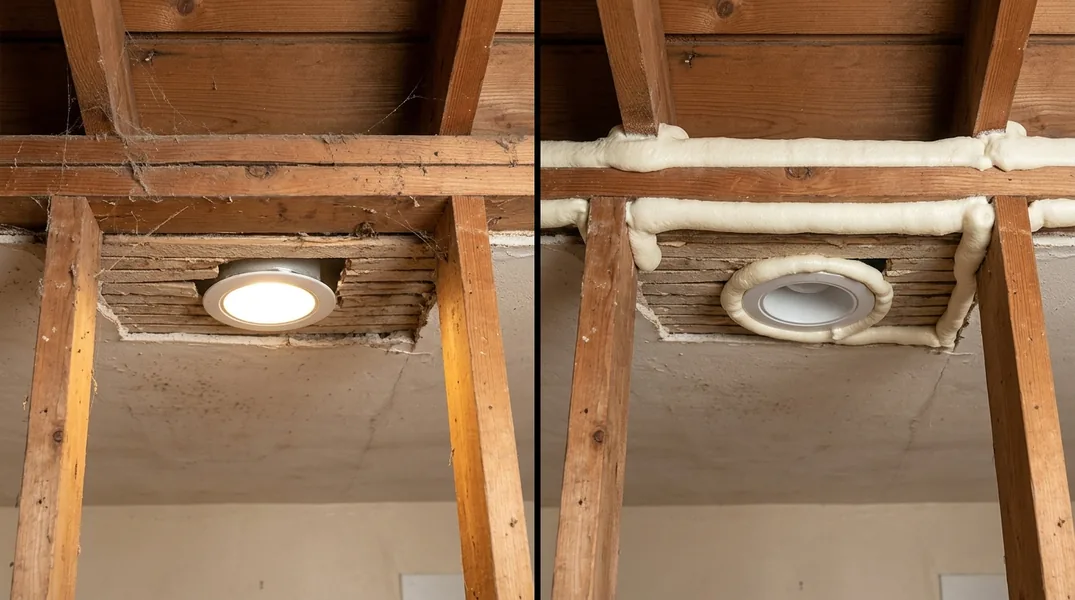
The process starts with a detailed inspection to identify where air is escaping. Common culprits include gaps around recessed lighting fixtures, penetrations where pipes and electrical wiring pass through the ceiling, gaps at the top plates of exterior walls, and unsealed attic access doors. Once these leaks are sealed with appropriate materials (often caulk, weatherstripping, or foam sealant), then the spray foam application becomes far more effective. A Closed Cell Spray Foam Insulation system applied to a properly sealed attic creates a true conditioned space that resists heat loss, moisture intrusion, and air infiltration. This approach prevents ice dams, eliminates condensation issues, and delivers the energy efficiency homeowners expect.
Sealed Attic Insulation: The Unvented Approach
One of the most effective solutions for homes in cold climates like ours is the sealed attic insulation approach, often called an unvented attic. This method involves sealing the attic envelope completely and using spray foam to create an air-tight, insulated barrier. Unlike traditional vented attics that rely on soffit and ridge vents to manage moisture, an unvented attic spray foam system treats the attic as part of your conditioned living space.
The advantage of this approach in a climate like Rapid City is significant. Because the attic stays warm in winter (it's now inside the thermal envelope), snow doesn't melt prematurely on the roof, eliminating ice dams before they start. Because the attic is sealed, there's no pathway for warm, humid air to escape and condense. And because the entire attic is insulated and sealed, you gain usable space that stays comfortable year-round. This approach does require careful planning during installation to ensure any exhaust fans or combustion appliances are properly vented to the outside, but when done correctly, it's the gold standard for attic performance in cold climates.
The Cost and Long-Term Value of Proper Air Sealing Before Spray Foam
Homeowners often ask about the pricing of a comprehensive attic project that includes both air sealing and spray foam. The honest answer is that doing it right costs more upfront than simply blowing in insulation, but the long-term savings justify the investment. A proper air sealing job might add 15 to 25 percent to your total project cost, but it prevents costly damage from ice dams, mold remediation, and structural repairs that can easily exceed $10,000 or more.
Consider the energy savings alone. A sealed, insulated attic reduces heating and cooling costs by 10 to 20 percent in many homes. Over a 10-year period, those savings compound significantly. Add in the elimination of ice dam damage, the prevention of moisture-related problems, and the potential for additional living space, and the return on investment becomes clear. When you're ready to discuss your specific situation and get a detailed breakdown of costs and benefits for your home, Rapid City Spray Foam Insulation is ready to help. Contact us at (605) 519-6148 or request a free estimate today.
Getting Professional Help Near You
The complexity of properly assessing and sealing an attic is why professional installation matters. A trained technician understands the specific challenges of our regional climate and can identify air leaks that homeowners often miss. They know how to seal penetrations safely, how to work around existing utilities, and how to apply spray foam in a way that achieves maximum performance without creating new problems.
If you're experiencing ice dams, noticing signs of moisture in your attic, or simply want to improve your home's energy efficiency, the time to act is now. Rapid City Spray Foam Insulation has the expertise to assess your attic, recommend the right combination of air sealing and spray foam insulation, and execute the work to the highest standard. Call (605) 519-6148 to schedule a free estimate, or visit our website at https://rapid-city-spray-foam-insulation.com to learn more about how we can protect your home from Rapid City's challenging weather.
Looking for a professional spray foam insulation contractor in Rapid City? Rapid City Spray Foam Insulation responds fast for all your spray foam insulation needs.
Get a Free Quote