Is Spray Foam Insulation Worth It? The Rapid City Homeowner's Guide
When you're considering home improvements in Rapid City, spray foam insulation often comes up as a modern, high-performance solution. But the question homeowners ask most often is simple: is it actually worth the investment? The answer depends on your priorities, your home's condition, and your long-term goals.
The truth is that spray foam insulation offers genuine advantages that traditional fiberglass or cellulose cannot match. It provides superior air sealing, higher R-values per inch, and can last the life of your home when installed correctly. However, it also comes with a higher upfront cost and some legitimate safety and health considerations that deserve honest discussion. This article will walk you through the real pros and cons so you can make an informed decision for your Rapid City home.
The Real Benefits: Why Homeowners Choose Spray Foam
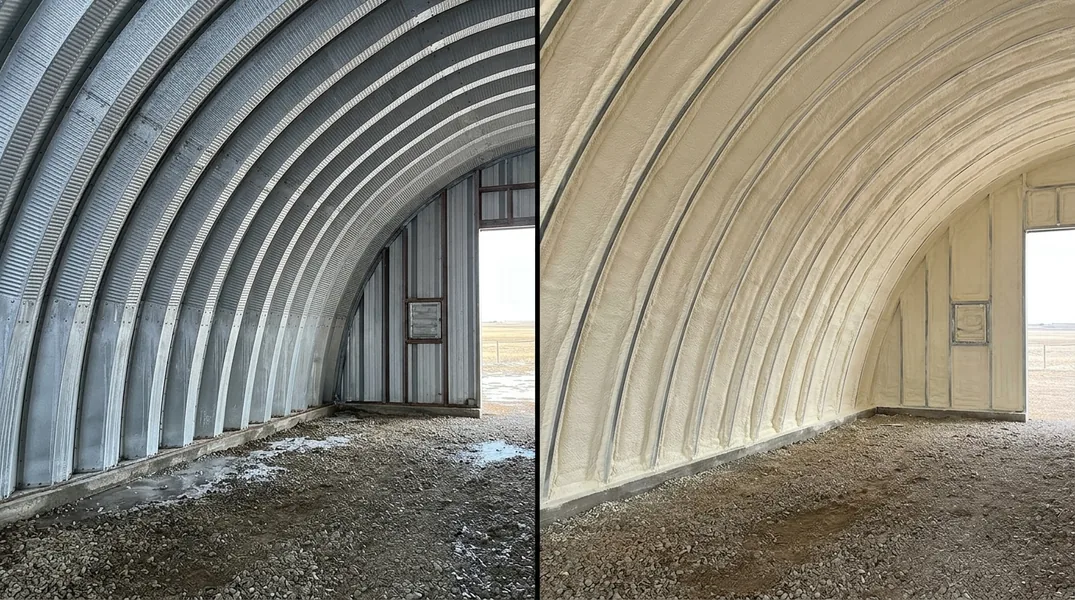
Attic Spray Foam Insulation delivers performance that standard insulation simply cannot replicate. The primary advantage is air sealing. While fiberglass batts leave gaps and compressed sections that allow air to flow through, spray foam expands to fill every crack, crevice, and cavity. This means fewer drafts, more consistent indoor temperatures, and lower heating and cooling costs year-round. In a climate like Rapid City's, where winters are cold and energy costs matter, this efficiency gain translates directly to money in your pocket.
Another compelling benefit is moisture control. Closed Cell Spray Foam Insulation creates a vapor barrier that prevents moisture from entering your attic or walls. This is especially valuable in older homes or basements where moisture infiltration causes mold, rot, and structural damage. Additionally, spray foam has a longer lifespan than traditional insulation. It doesn't settle, compress, or degrade over time like fiberglass. Many homeowners who invest in spray foam never need to replace it, making the cost-per-year actually quite reasonable when spread across 40 or 50 years.
Is Spray Foam Insulation Safe? Understanding Off-Gassing and Health Concerns
Safety is the question that stops many homeowners in their tracks. The concern about spray foam off-gassing and chemical exposure is valid and worth taking seriously. When spray foam is first applied, it does emit volatile organic compounds (VOCs) as the chemicals cure. These can include isocyanates and other substances that may irritate the respiratory system, eyes, and skin during and immediately after installation. This is why professional installers wear protective equipment and why proper ventilation during application is non-negotiable.
However, the key distinction is between installation safety and long-term occupant safety. Once spray foam has fully cured (which typically takes 24 to 48 hours), off-gassing decreases dramatically. Studies show that fully cured spray foam poses minimal risk to homeowners living in the space. The foam is inert and stable once hardened. The real safety concern is during installation, which is why hiring a licensed, experienced contractor is essential. At Rapid City Spray Foam Insulation, our crews follow strict EPA and manufacturer guidelines to protect both workers and your family. We ensure adequate ventilation, keep occupants out of treated areas during curing, and use quality products from reputable manufacturers with proven safety records.
One additional consideration: some people are sensitive to isocyanates or other foam components. If you or a family member has chemical sensitivities, asthma, or respiratory conditions, discuss this with your contractor before proceeding. Open Cell Spray Foam Insulation may be a safer alternative for sensitive individuals, though it has different performance characteristics than closed-cell foam.
Common Spray Foam Insulation Problems and How to Avoid Them
Not all spray foam installations are created equal, and poor workmanship can lead to problems. One common issue is over-application or improper coverage, which can cause the foam to expand excessively and damage roof decking or wall framing. Another problem is inadequate air sealing around penetrations like electrical outlets, HVAC ducts, or plumbing, which defeats the whole purpose of spray foam. Moisture issues can also arise if closed-cell foam is installed incorrectly in certain climates, trapping water and leading to rot.
The best way to avoid these problems is simple: hire a qualified, licensed contractor with years of local experience. Ask for references, verify insurance and licensing, and ensure they understand your local building codes and climate conditions. In Rapid City, where winter temperatures drop well below freezing and moisture management is critical, your contractor should have specific expertise in cold-climate applications. When you call Rapid City Spray Foam Insulation at (605) 519-6148, you're working with professionals who understand exactly how to install foam correctly in our region.
Another way to protect yourself is to understand the warranty. Reputable spray foam companies stand behind their work with warranties that cover material defects and workmanship. This gives you recourse if problems develop. Always get a written contract that clearly outlines what's being done, the products being used, the timeline, and the warranty terms before work begins.
Spray Foam Insulation Cost in Rapid City: What to Budget
Cost is often the deciding factor for homeowners. Spray foam is more expensive than fiberglass or cellulose on a per-board-foot basis. You can expect to pay roughly two to three times more for spray foam than traditional insulation. However, this comparison can be misleading because you need less spray foam to achieve the same R-value, and the energy savings often offset the higher initial investment within 5 to 10 years depending on your climate and utility rates.
The actual pricing for your project depends on several factors: the square footage of the space being insulated, whether you're using open-cell or closed-cell foam, the complexity of the job, and local labor costs. An attic spray foam project in a 1,500-square-foot home might range from $1,500 to $3,000, while Wall & Injection Foam Insulation projects can vary widely based on wall construction and accessibility. The best way to know what your specific project will cost is to request a free estimate from a local contractor who can assess your home in person.
When budgeting, check with your utility company in Rapid City to see whether any insulation rebate program is currently available and what it requires.
Spray Foam Insulation Pros and Cons: The Bottom Line
Let's be direct about the tradeoffs. The pros include superior air sealing and energy efficiency, moisture control, long lifespan, and the potential for significant energy savings over time. The cons include higher upfront cost, potential off-gassing during installation, the need for a qualified contractor, and the fact that it's permanent (you can't easily remove or modify it). For some homeowners, the pros far outweigh the cons. For others, the initial cost or installation concerns make traditional insulation a better fit.
The honest answer to whether spray foam insulation is worth it depends on your specific situation. If you own your home long-term, live in a cold climate like ours, have air leakage problems, or are dealing with moisture issues, spray foam is likely a smart investment. If you're planning to move within five years or have a tight budget with no room for premium solutions, traditional insulation may be the right choice. The key is making a decision based on facts, not marketing hype or unfounded fears. Contact Rapid City Spray Foam Insulation today at (605) 519-6148 to discuss your home's needs and get honest, professional advice tailored to your situation.
Looking for a professional spray foam insulation contractor in Rapid City? Rapid City Spray Foam Insulation responds fast for all your spray foam insulation needs.
Get a Free Quote